How to Change Brake Pads Yourself: Save $200 and Understand Your Own Safety System
Brake pad replacement is among the most economical DIY automotive jobs available — pads for one axle cost $25 to $60 for quality parts, the job takes 60 to 90 minutes with basic tools, and repair shops charge $150 to $300 for the same work including markup on parts. It is also one of the most empowering automotive maintenance skills because brakes are safety-critical, and understanding how they work and being able to inspect and service them removes the uncertainty that makes many drivers feel vulnerable to unnecessary brake service upsells.
When Brakes Need Replacement
The wear indicator — a small metal tab built into the brake pad — contacts the rotor when the pad wears to approximately 2mm of remaining material, producing the squealing sound that is the designed warning that brake service is needed. A grinding metallic sound indicates that the pad material is fully worn and the metal backing plate is contacting the rotor — at this point, the rotor is also being damaged and will likely need replacement. Annual inspection of brake pad thickness as part of a tire rotation is the maintenance practice that prevents grinding conditions.
The Process
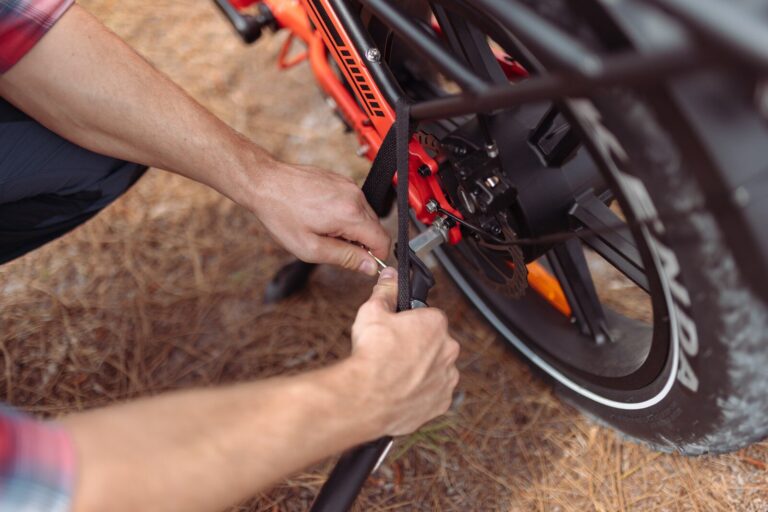
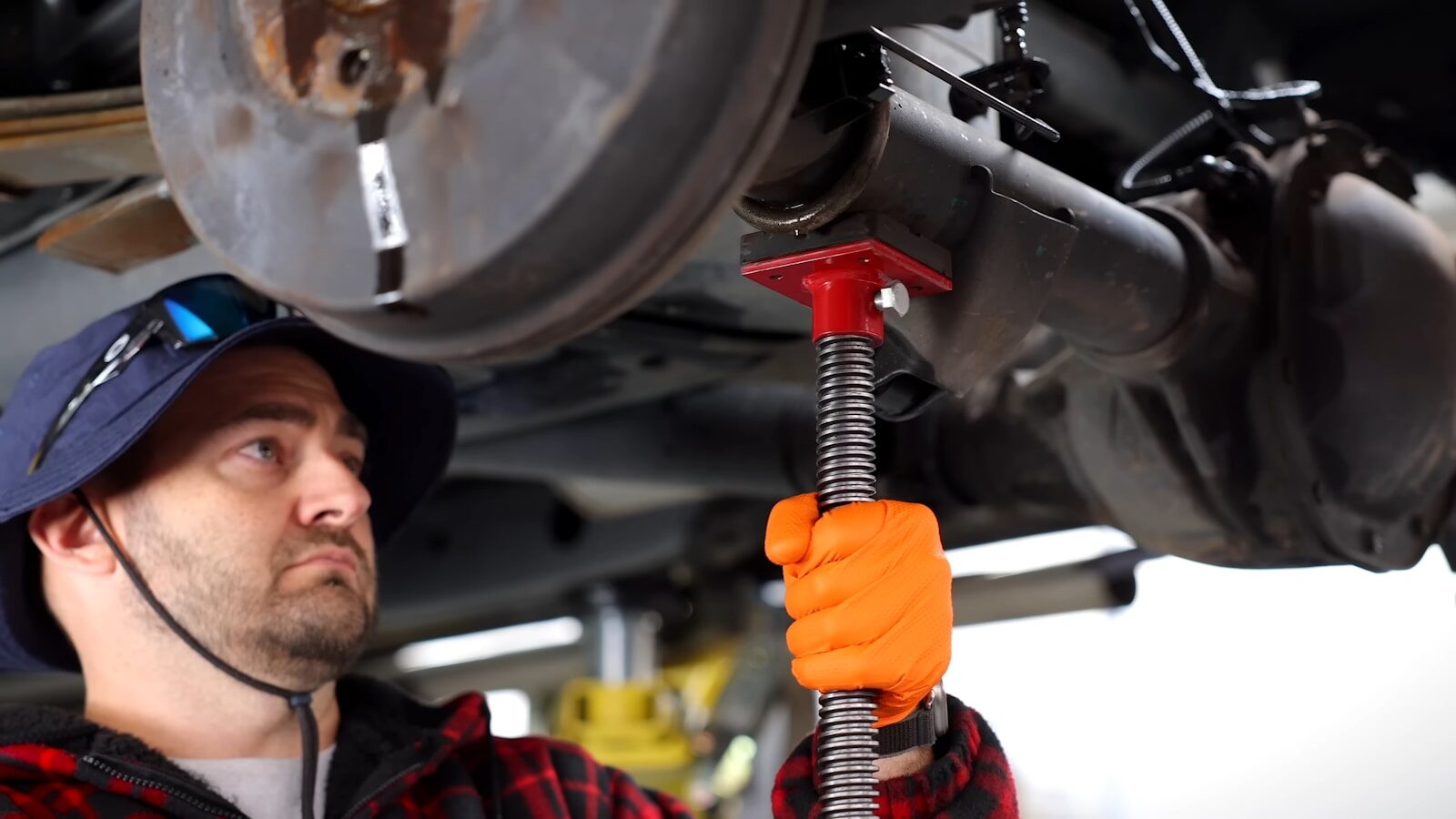
Loosen the lug nuts before raising the vehicle. Raise and support the vehicle safely on jack stands — never on a floor jack alone. Remove the wheel. The brake caliper is visible as the large cast-iron or aluminum clamp around the rotor. Remove the two caliper bolts — typically 12mm or 14mm — and slide the caliper off the rotor. Support it with a wire hook or bungee cord to avoid hanging by the brake line. Slide the old pads out of the caliper bracket. Use a C-clamp or brake caliper piston tool to compress the caliper piston fully back into the caliper body before installing the new, thicker pads — this is necessary because new pads are thicker than worn ones. Install the new pads in the bracket, reinstall the caliper, reinstall the wheel, and lower the vehicle. Pump the brake pedal multiple times before moving the vehicle — the first several pumps will go to the floor as the pistons extend to contact the new pads.