When to Replace Your Tires: The Clear Signs and the Tests That Tell You
Tire replacement timing is a safety judgment that is too often made too late. Tires are involved in approximately 700 fatal accidents in the United States annually, and NHTSA research consistently identifies worn tires as a factor in a significant percentage of these accidents. The legal minimum tread depth in most US states is 2/32 of an inch — a threshold that many tire safety researchers consider dangerously low for wet conditions. Here is how to assess tire condition correctly and when replacement is genuinely required versus merely approaching.
The Tread Depth Tests
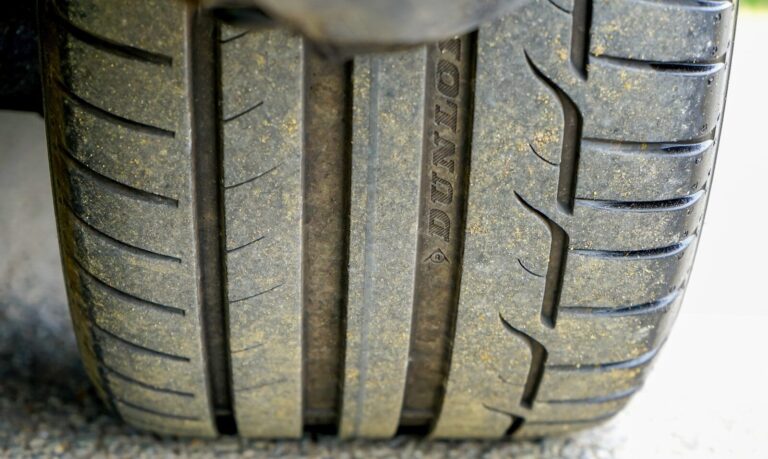
The penny test: insert a penny into the tread groove with Lincoln’s head pointing into the groove. If you can see the top of Lincoln’s head, the tread is at or below 2/32 — legally near the replacement threshold in most states, genuinely time to replace. The quarter test: insert a quarter the same way. If you can see the top of Washington’s head, you’re at approximately 4/32 — the tread depth at which wet braking performance begins to degrade measurably. Consider replacement planning at this point rather than waiting until the penny test result. A tread depth gauge from any auto parts store costs $5 and provides a precise reading.
Age: The Factor Beyond Tread Depth
Rubber compounds degrade from UV exposure and oxidation regardless of use, producing cracking and brittleness that reduce performance without necessarily being visible in tread depth measurements. Tire manufacturers generally recommend replacing tires at ten years from the manufacturing date regardless of tread depth remaining. The manufacturing date (week and year) is encoded in the last four digits of the DOT code on the tire sidewall — a tire with DOT code ending in 2218 was manufactured in the 22nd week of 2018.