How to Replace Spark Plugs: The Tune-Up That Restores Performance and Fuel Economy
Spark plugs are among the most neglected scheduled maintenance items on modern vehicles, primarily because modern iridium and platinum plugs last 60,000 to 100,000 miles — long enough that many owners never think about them. When plugs wear beyond their service life, the enlarged electrode gap requires higher ignition voltage to fire, leading to misfires, reduced fuel economy, and sluggish performance. Replacement at the recommended interval restores performance immediately and costs $40 to $80 in parts for most four-cylinder engines versus $150 to $400 at a shop.
Finding the Right Plugs and Gap
The correct spark plug part number for your specific vehicle, engine, and model year is available from any auto parts store by entering your vehicle information. Do not substitute a different plug number even if the threads look identical — heat range, electrode material, and gap specification differ between applications and affect performance significantly. Check the gap on new plugs against the specification in your owner’s manual even if the plugs are advertised as pre-gapped — pre-gapping is not always accurate to the required specification.
The Replacement Process
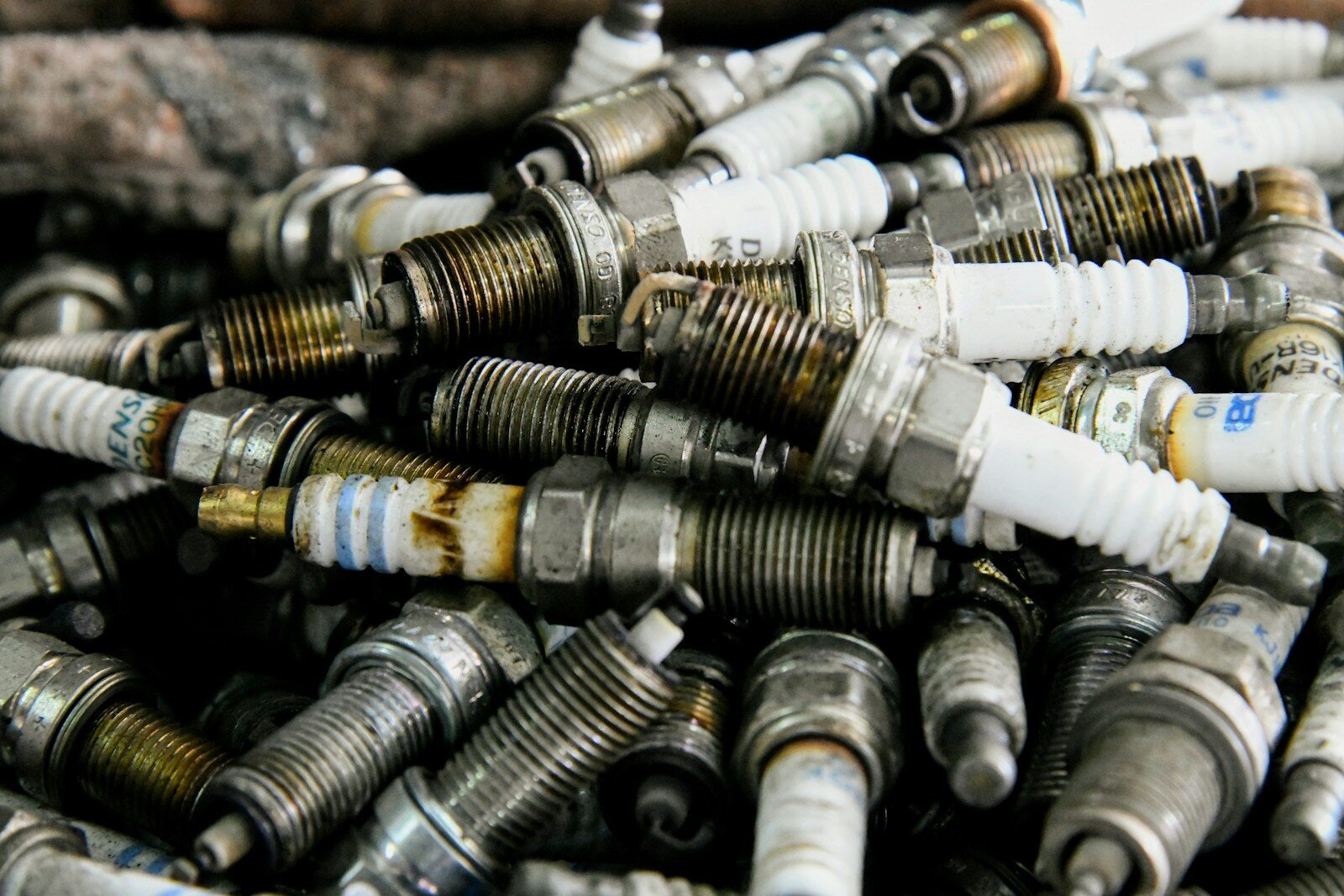
Remove one spark plug wire or coil pack at a time — working one at a time prevents mix-ups of firing order. Clean around the plug opening with compressed air before removing the plug — debris falling into the cylinder is a serious problem. Use a spark plug socket (it has a rubber insert that grips the plug ceramic without cracking it) and extension to break the plug loose. Remove by hand once it’s loose. Check the condition of the old plug — a normal plug has a light tan or grey center electrode. Black sooty deposits indicate rich running; white or grey deposits indicate lean running or cooling system issues; oil fouling indicates engine wear. Thread the new plug in by hand first to avoid cross-threading, torque to the specification in your owner’s manual, and reconnect the wire or coil pack before moving to the next cylinder.