How to Improve Your Gas Mileage: The Maintenance and Driving Habits That Actually Work
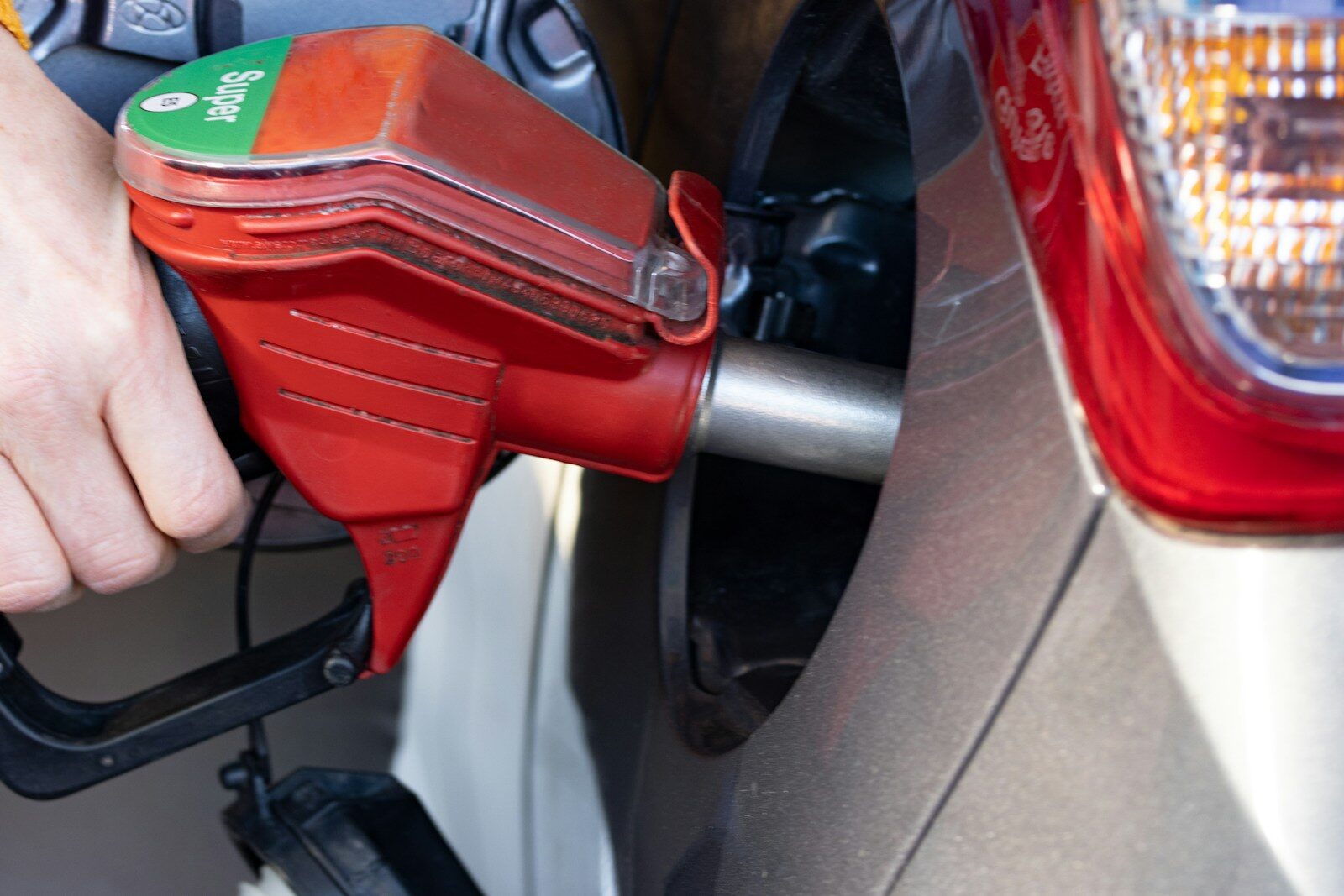
At $3.50 to $4.00 per gallon for regular gasoline, the difference between 25 MPG and 30 MPG over 15,000 miles annually is approximately $150 to $200 per year. Fuel economy improvements through maintenance and driving behavior are real but modest — typically five to fifteen percent for a well-maintained vehicle driven efficiently versus the same vehicle poorly maintained and driven aggressively. Understanding which factors actually matter allows you to prioritize the improvements that produce the most return for the least effort.
Maintenance Factors With Documented Fuel Economy Impact
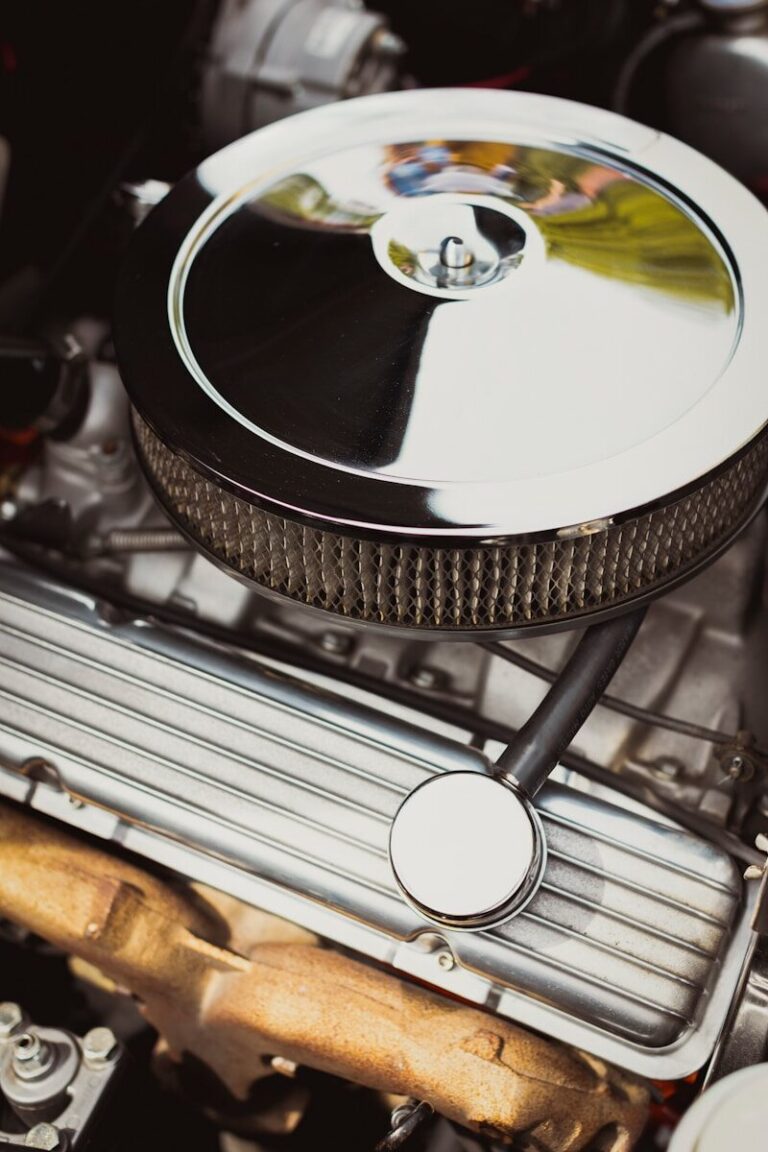
Tire inflation: underinflated tires increase rolling resistance and reduce fuel economy by approximately 0.2 percent per PSI below the recommended pressure. A tire four PSI low costs about 0.8 percent in fuel economy — meaningful across a full tank. Dirty air filter: a severely clogged air filter reduces fuel economy on older vehicles with carburetor or throttle body injection. Modern vehicles with mass airflow sensors compensate by reducing fuel to match the reduced airflow, which maintains the mixture but reduces power rather than increasing fuel consumption. On these vehicles, a dirty air filter reduces performance more than economy. Worn spark plugs: plugs worn beyond their service interval can produce misfires that waste fuel directly — each misfire event is a combustion cycle where fuel is injected but not fully burned.
Driving Behavior: The Biggest Variable
Aggressive acceleration and hard braking are the most impactful fuel economy reducers for most drivers — they waste the kinetic energy gained during acceleration in heat at the brakes rather than allowing it to carry the vehicle. Smooth acceleration to a constant speed, anticipating traffic flow to coast where possible rather than braking, and maintaining highway speeds at 65 mph rather than 75 mph (aerodynamic drag increases with the square of speed, making highway speed the most impactful single driving variable for fuel economy on highway trips) collectively produce 10 to 20 percent better fuel economy in most vehicles.