How to Check Your Car Before a Long Road Trip: The Pre-Trip Inspection
Vehicle failures on long road trips combine the worst elements of automotive problems — unfamiliar territory, distance from your regular shop, and the psychological and financial cost of a disrupted vacation or business trip. Most preventable road trip failures — flat tires, overheating from low coolant, battery failures — are identifiable before departure with a thirty-minute pre-trip inspection. Here is the complete checklist.
Tires: Pressure, Tread, and Age
Check all four tires and the spare for correct inflation to the vehicle’s specified pressure. Inspect the tread depth with the quarter test — 4/32 or less warrants replacement before a long trip, not after. Inspect the sidewalls for cracking, bulges, or cuts — a tire with sidewall damage should not be taken on a highway trip regardless of tread condition. Check the spare tire’s inflation — spare tires deflate over months and years of storage; a flat spare is useless in an emergency. If your vehicle has a space-saver spare (the narrow, smaller spare sometimes called a donut), verify it’s inflated and know the 50 mph speed limit that applies to space-saver use.
Fluids: All of Them
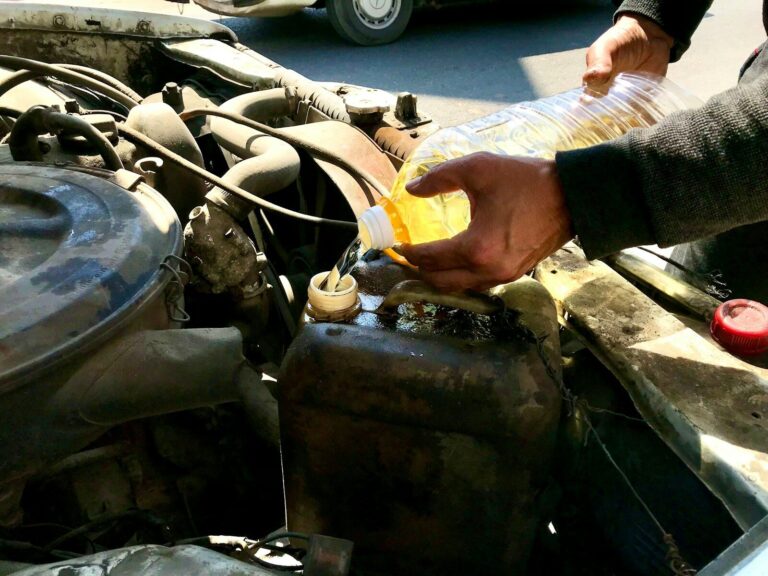
Check engine oil level and condition. Check coolant level in the reservoir. Check brake fluid level in the master cylinder reservoir. Check windshield washer fluid — particularly important on long trips where insect debris and road grime accumulate on the windshield. Refill anything that is low to the appropriate level with the correct fluid type. If the engine oil or coolant requires significant addition to reach operating level, investigate the cause rather than simply topping off — significant consumption indicates a problem that will worsen during a long trip.